
Practical Support for Autism, ADHD & Chronic Illness
Adults, young people, children and families.
In-Person Across North Devon & Online UK-Wide
We provide neurodivergent-affirming, 1-to-1 mentoring tailored around your actual brain, body, and daily capacity. Together, we look beneath the surface of what’s getting in the way, make sense of the patterns and work out practical ways forward that fit your life.


What can we work on together?
We might explore:
- Understanding yourself and how your brain and body work
- Executive functioning and getting things started
- Overwhelm, burnout and managing capacity
- Routines, daily demands and making life more manageable
- Confidence, self-advocacy and communication
And if you’re not sure what you need help with yet, that’s okay. That’s something we can work out together.
How does it work?
There isn’t a programme you need to choose before you meet me.
During our connection call we gain a brief understanding of your support needs, and to see if it feels a good fit.
We start with an Understanding & Planning session, where we explore what’s happening, what you need and what you’d like to change.
Then we plan your support together — including what we’ll focus on, how often we’ll meet and how long we’ll work together.
Mentoring support starts from £175.
Support is provided over 8, 12 or 16 weeks, or 6 months, depending on what we agree together.
A 20-minute conversation to see whether working together feels right.
Getting Support Should Feel Easy
You don’t need to fill out long forms, get a doctor’s referral, or have all the answers before reaching out.
Choose whichever way feels most comfortable for your energy levels today:
- Message via WhatsApp: Text or send a voice note to 07437 936970
- Send a Quiet Email: Drop a message to Sian@diverselivingdevon.com
- Give Me a Call: Ring 07437 936970 for an informal, low-pressure chat
Her knowledge and support really made a difference and gave me direction’
– so we’re on the front foot from the offset’
She has so many ideas to help me, so I never get bored with the same things.’
Pattern Mapping: Connecting the Invisible Dots
When you live with burnout, executive dysfunction, or chronic illness, it’s hard to spot what’s actually going on when you’re right in the middle of it. Small daily triggers stack up quietly until your body or brain just hits a wall.
That’s where Pattern Mapping comes in. Instead of telling you to “try harder” or writing off unexplained symptoms, we put our detective hats on together to connect the invisible dots:
- The Chicory Root Moment: A client came to me with really bad stomach pains after an illness. They thought it was nothing, but it was painful enough to mention. After a few gentle questions, we realised they’d recently swapped their milk—and it had chicory root fibre in it, which was triggering the pain. A tiny change solved weeks of distress.
- The Hidden Energy Leak: Spotting that an afternoon crash isn’t laziness at all. It’s the physical toll of background noise or uncomfortable seating draining your energy for hours.
Pattern mapping takes the blame off you. It turns “What is wrong with me?” into “Ah! That’s why my body is reacting like this—now we can actually fix it.”
Understanding Life Beneath the Surface
Many people arrive here carrying years of unseen effort. You might recognise some of these everyday realities:
- The Afternoon Collapse: A child who seems completely “fine” at school, holding it all together through sheer effort, only to experience intense meltdowns, shutdowns, or emotional release the moment they step through the front door into their safe place.
- The Task Paralysis Spiral: Sitting at a desk or staring at a household chore for hours, desperately wanting to start, while an invisible barrier of executive dysfunction keeps you completely frozen, followed by self-criticism and guilt.
- The Mind vs. Body : Having an ADHD brain that craves novelty, focus, and movement, and having a body experiencing chronic fatigue, pain, or dysautonomia that urgently needs physical rest and reduced demand.
- Sensory Overload & Burnout: Feeling as though the volume, lights, demands, and sensory input of the modern world are turned up to maximum, leaving your nervous system constantly stuck in fight, flight, or freeze, leaving you overwhelmed, exhausted and struggling to recover
We don’t look at these experiences as failures or behaviors to be corrected. We view them as communication—clear signs that your nervous system, environment, or energy capacity needs better support and understanding.
In Person
Online
Wordy Wednesdays
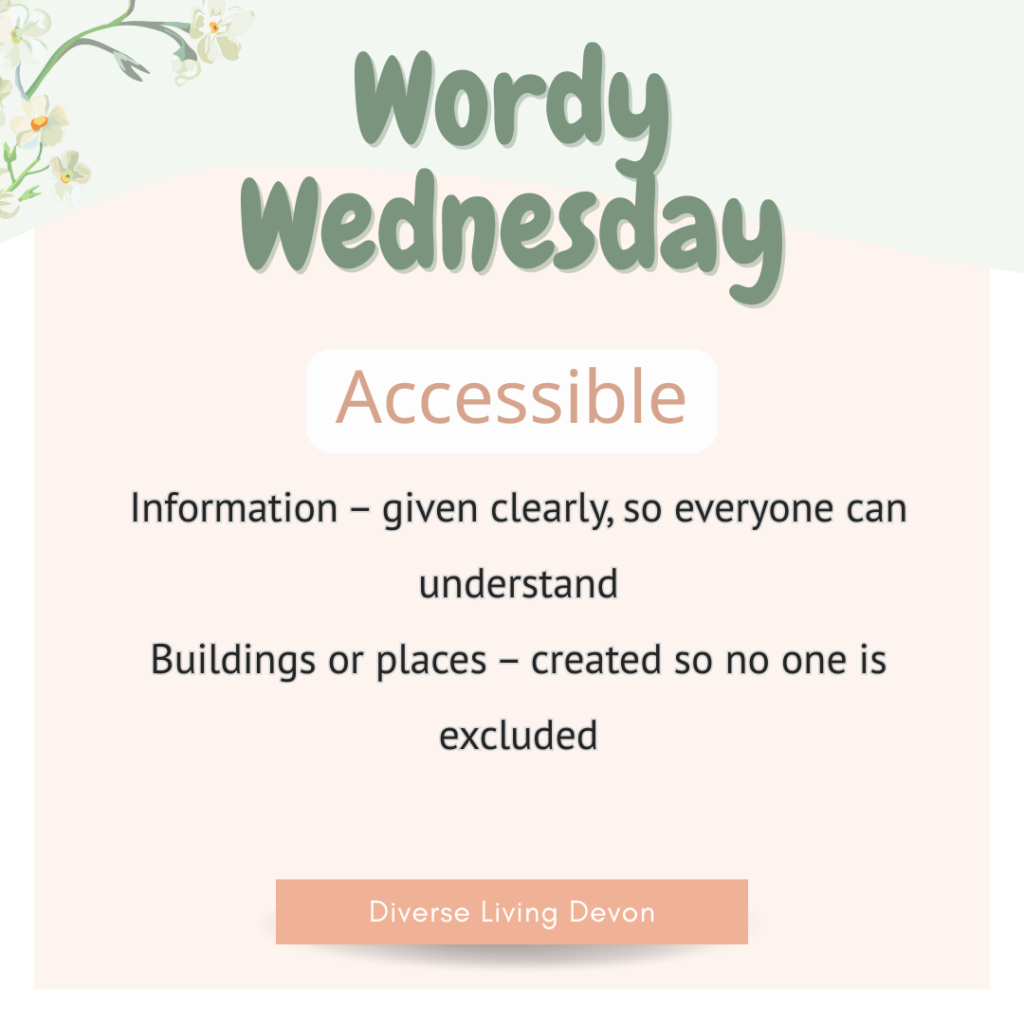
There’s a lot of complex language around neurodivergence, mental health, and education. Acronyms. Labels. Professional jargon that can easily feel confusing, overwhelming, or even clinical.
Wordy Wednesdays is all about making that language fully accessible. Not to dictate how anyone should think or identify—but to explain exactly what these words mean in real, everyday language. I deeply believe everyone has the right to understand the definitions being used about them or their child, allowing you to choose the framing that fits your family best.
This space is about understanding, not clinical correction. Clarity, not systemic pressure. Practical support, not labels. I hope that at least one word here helps your family feel a little less alone.