
Dysregulation is defined as being unable to control or contain big emotions.
My take – Those experiencing dysregulation haven’t found an empowering way to experience and work through their emotions yet.
That is what I do.
What can dysregulation look like?
Screaming, shouting crying, hurting themselves or others. Intense emotional outbursts, that are exhausting to experience and to help. It may be a complete shutdown, no longer engaging in attempts to meet necessary basic needs, drinking, eating, no longer speaking. Running away from the situation, panic attacks. These are some signs of big dysregulation, but they can also be far more subtle, picking or biting their skin, picking or chewing their clothes, being unable to remain still, even for seconds. Grabbing things that hold their attention, such as a friends favourite pen. Dysregulation looks different for everyone, which is why working with someone who has an intuitive, holistic approach is so beneficial
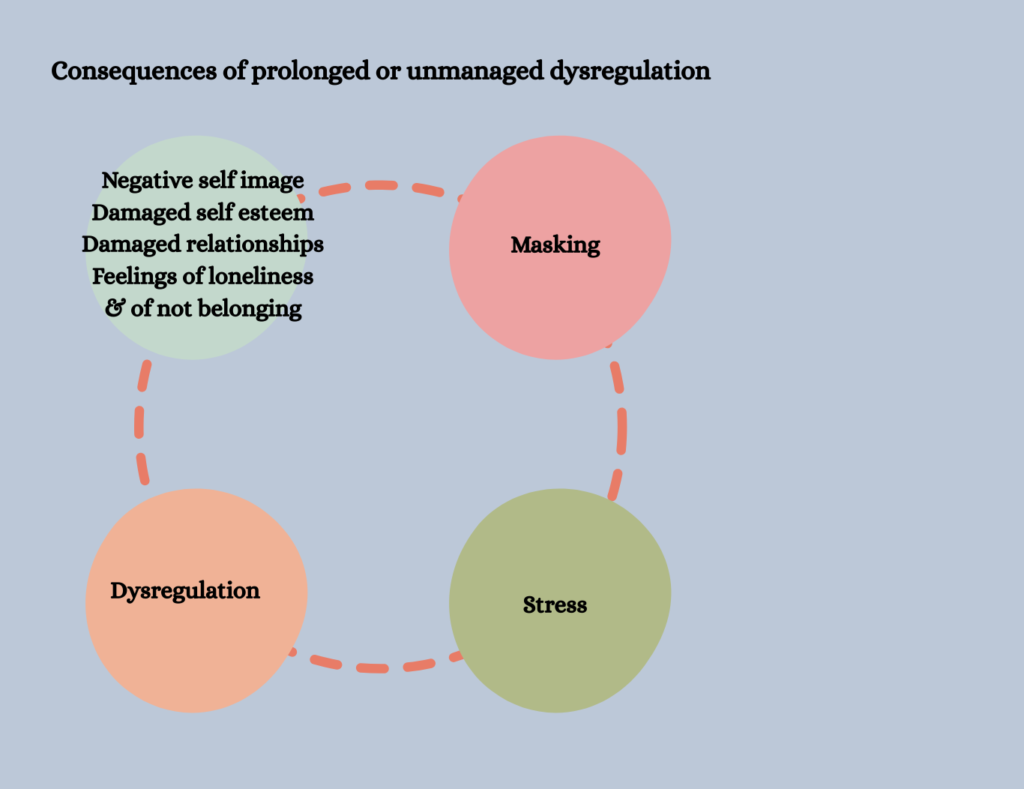
Living life this way is exhausting, eventually the emotional, physical and cognitive fatigue get too much. Unsurprisingly this negatively impacts mental health, family and social relationships become damaged.
How can I help?
Using my bespoke, Surviving to THRIVING method, I will find the underlying reasons for the emotional dysregulation. With my guidance we will explore the most effective, empowering strategies to support the emotional well-being of your family.
Not only for now, but in the future as well.
 The Author
 The Author
Sian Spencer
Founder of Diverse Living Devon, a neurodiversity support and mentoring service based in Devon.
With over 13 years of professional and lived experience, she supports neurodivergent people, their families, and professionals in understanding sensory processing, behaviour, emotional regulation, communication, and practical everyday challenges.
Her articles draw on professional experience, lived experience, ongoing professional development, current evidence, and years of real-world practice. She is passionate about making complex topics accessible, helping people better understand themselves and others through practical, compassionate, and evidence-informed guidance.
The information shared in these articles is intended to educate, encourage understanding, and provide practical strategies. It should not replace personalised medical, therapeutic, or legal advice.